
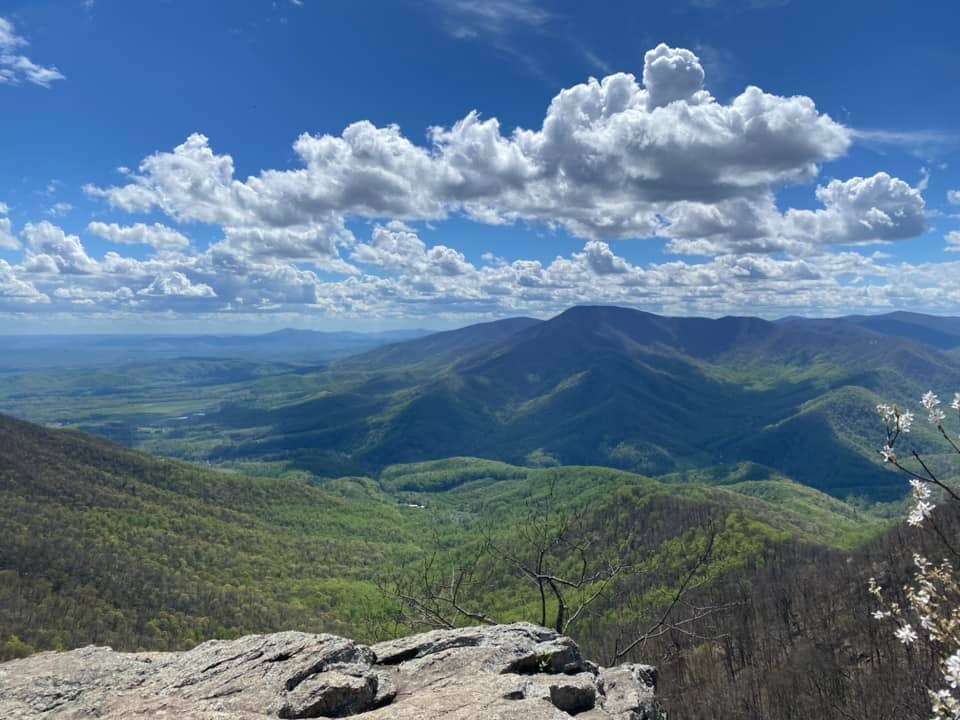
I don’t remember the exact date. I remember the temperature.
Cool enough that my breath showed, warm enough that the forest still smelled alive. The trail was quiet, no voices, no dogs, no rush. Just dirt under my boots and the steady rhythm of my breath, trying to find its way back to normal.
At that point in my life, “normal” felt like a rumor.
Hospitals have their own kind of silence. It’s not peaceful. It’s waiting in silence. The kind that hums in the background while machines beep and time stretches thin. When your child is sick, really sick, your nervous system never fully powers down. Even when you sleep, part of you stays on watch.
That morning on the trail, I wasn’t hiking for joy. I was hiking because I needed somewhere for the fear to go.
The First Miles Were Always the Hardest
At first, my body resisted. My legs felt heavy. My chest tight. Thoughts crowded in the way they always did, appointments, labs, numbers, what-ifs that refused to stay quiet.
I almost turned back.
That urge, to retreat, to stay close to what feels safer, is strong when you’ve spent months living in survival mode. But something in me knew that if I went home, the fear would just follow me.
So I kept walking.
One step. Then another. Then another.
Not fast. Not strong. Just forward.

When the Noise Finally Dropped Away
It didn’t happen all at once. The trail didn’t suddenly fix anything. There was no cinematic moment where everything made sense.
But somewhere between the second bend and the rise where the trees thin out, my shoulders dropped.
I noticed the sound of leaves shifting overhead. The uneven rhythm of my boots on rock. The way the trail narrowed and widened without asking permission.
The noise in my head didn’t disappear, but it softened. It stopped demanding answers.
And that was enough.
For the first time in a long time, my body remembered how to be here instead of bracing for impact.
What the Trail Did That Nothing Else Could
People talk about coping strategies like they’re interchangeable. As if deep breathing and journaling and positive thinking all work the same way for everyone.
They don’t.
What hiking gave me during my child’s health journey wasn’t distraction, it was containment.
The trail gave my fear somewhere to stretch out without swallowing me whole. It gave my grief a pace. It gave my anger somewhere to burn off instead of turning inward. Because what is the point of being angry at something that is beyond your control, like a genetic disorder? Or at the doctors who were going above and beyond to save your son when healing wasn’t as linear as one would hope.
On the trail, I didn’t have to be optimistic. I didn’t have to be brave in the way people expect bravery to look. I just had to keep moving.
The trail didn’t ask me how things were going.
It didn’t need updates.
It didn’t need hope.
It held me anyway.

The Pattern I Didn’t See Until Later
At the time, I thought hiking was just something that helped me get through a brutal chapter. I didn’t realize I was learning a pattern I’d carry into everything else.
When things felt overwhelming, I learned to:
- Focus on the next step instead of the whole climb
- Accept uneven terrain instead of fighting it
- Trust that rest would come, even if I couldn’t see it yet
The trail taught me that endurance isn’t about pushing harder; it’s about not quitting on yourself when progress feels invisible.
That lesson showed up everywhere later. In art. In business. In parenting. In healing.
What This Season Taught Me About Strength
I used to think strength looked like holding it all together without cracking. Like staying calm. Like being the steady one everyone could lean on.
That season rewired me.
Strength, I learned, looks like letting your breath hitch and walking anyway.
It looks like choosing movement over paralysis.
It looks like admitting you can’t fix what’s happening, but you can still take care of your body inside it.
The trail didn’t make me fearless.
It made me functional.
And sometimes, that’s the bravest thing available.

How This Experience Lives Inside My Work
Years later, when people tell me my art feels grounding, I understand exactly where that comes from.
I don’t create from urgency. I don’t burn wood in a rush. I don’t force clean lines where the grain resists.
The way I move through a piece mirrors the way I learned to move through that season:
- Slowly
- Attentively
- Without pretending things are easier than they are
I let the wood respond. I adjust. I don’t punish mistakes; I work with them. Well, sometimes that does mean taking the sander and starting over. Because that’s what kept me upright when everything felt like it might collapse.
The Quiet Truth I Carry Forward
That time in my life taught me something I still rely on:
You don’t need clarity to move forward.
You need enough steadiness to take the next step.
Hiking didn’t give me answers about my child’s future.
It gave me a way to survive the waiting.
And that mattered more.
A Quiet Invitation
This experience lives underneath every piece I make.
If you’re drawn to work that feels steady rather than loud, work that was created with patience instead of pressure, this might be for you.
Not as a solution.
Not as a fix.
Just as something solid to return to when your own world feels uncertain.
I didn’t hike to escape my life.
I hiked so I could stay in it.
The trail didn’t promise anything.
It just kept showing up and taught me how to do the same.
Leave a Reply